
 Running a business means you wear a lot of hats, and when it comes to finances, payroll and tax compliance are two of the most important ones. As an employer, you deal with multiple tax forms every year. Two of the most common are Form W-4 (Employee’s Withholding Certificate) and Form W-2 (Wage and Tax Statement).
While they sound similar, they serve very different purposes in the tax system. Knowing the difference helps you stay in compliance with the Internal Revenue Service (IRS) and avoid costly mistakes during tax season.
Let’s break down what each form is, how they’re used, and what small business owners need to know to keep payroll and reporting running smoothly.
What is a W-4 Form? (Employee’s Withholding Certificate)
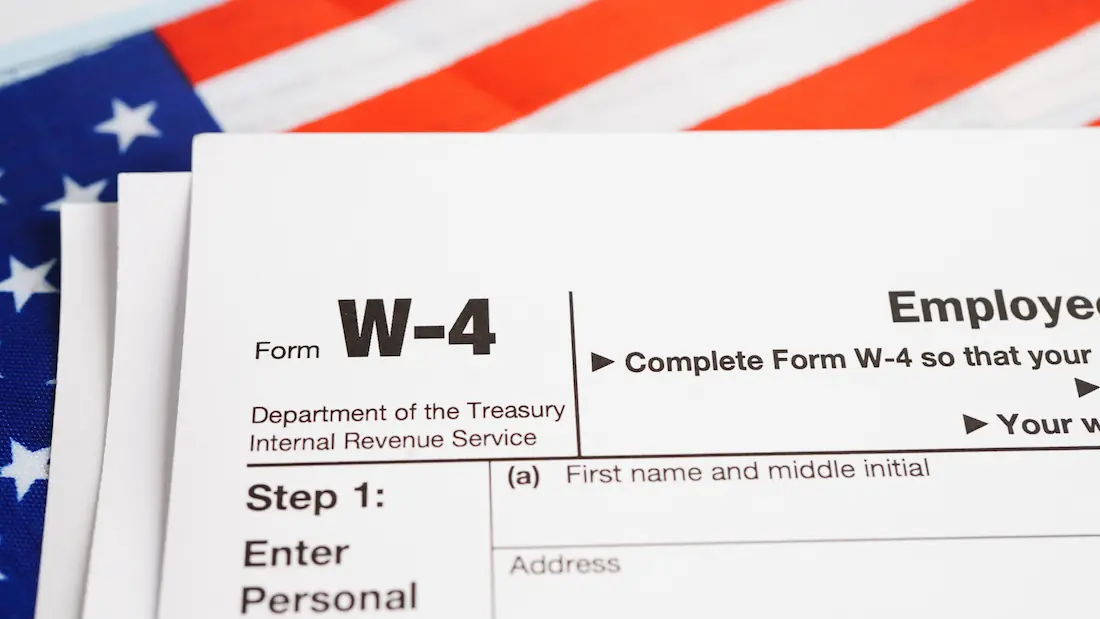 The W-4, officially known as the Employee’s Withholding Certificate, is a form employees fill out when they start a new job (or anytime their withholding changes). It tells you, the employer, how much tax to withhold from the employee’s paycheck for federal income tax.
The W-4 takes into account the employee’s filing status (single, married, head of household), tax credits (such as the child tax credit), and any other income or adjustments that affect their overall tax liability. If an employee underestimates, they may owe when filing their tax return. If they overestimate, they’ll have too much federal income tax withheld during the year and wait for a refund.
As a business owner, you don’t decide these amounts; you simply use the information provided on the W-4 to calculate and send withheld taxes to the IRS, along with state income tax and local income tax (if applicable).
What is a W-2 Form? (Wage and Tax Statement)
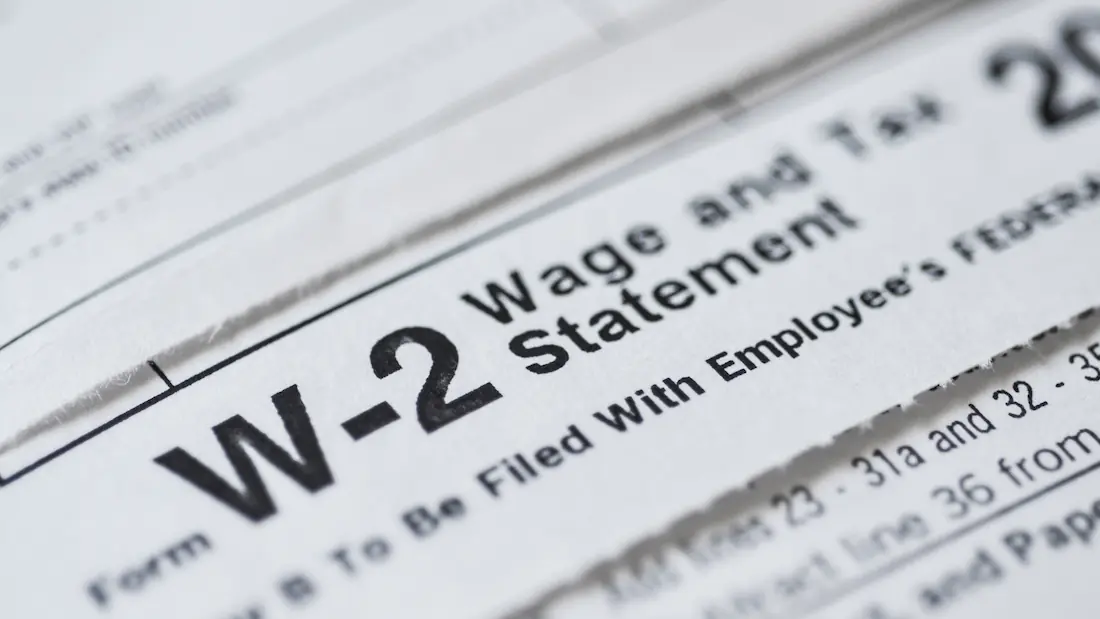 The W-2, or Wage and Tax Statement, is a summary tax form you must provide to each employee after the close of the tax year. Unlike the W-4, which gives you instructions on how to withhold, the W-2 reports what actually happened:
- Wages earned by the employee
- Federal income taxes withheld
- Social Security and Medicare taxes withheld
- State income tax and local taxes withheld (if applicable)
- The value of certain employee benefits
You must file W-2 forms with the Social Security Administration and provide copies to employees by January 31 each year. Employees then use the W-2 to complete their personal tax filing.
Key Differences Between Tax Forms W2 and W4
Even though they’re closely connected, the W-2 and W-4 are not interchangeable. Here are the main differences:
- Timing: The W-4 is filled out when someone starts a job (or updates their situation), while the W-2 is issued at the end of each tax year.
- Purpose: The W-4 is an instruction sheet for employers, guiding how much federal tax, state tax, and local tax to withhold. The W-2 is a tax statement reporting the wages paid and the income taxes withheld.
- Use: The W-4 directly impacts each pay period. The W-2 is used once a year during tax filing.
- Audience: Employers rely on W-4s for payroll; employees and the IRS rely on W-2s for filing and verifying income taxes.
| Feature | Form W-4 (Employee’s Withholding Certificate) | Form W-2 (Wage and Tax Statement) |
| When It’s Completed | Employees fill out when starting a new job or anytime their withholding changes. | Employers issue after the close of each tax year. |
| Purpose | Instructs employer on how much tax to withhold from each paycheck (federal, state, local). | Reports actual wages paid and taxes withheld during the year. |
| Who Uses It | Employers use it to calculate federal income tax withheld, state income tax, and local income tax per pay period. | Employees, IRS, and Social Security Administration use it to verify income and file the tax return. |
| Impact | Directly affects each pay period paycheck and employee’s tax liability. | Used during tax season to prepare tax filings and reconcile income taxes withheld. |
| Covers | Filing status, tax credits, adjustments, and estimated tax payments. | Wages, federal income tax withheld, Medicare taxes withheld, Social Security, state and local taxes, and certain employee benefits. |
| Filed With | Retained by employer (not sent to a tax agency). | Filed with the Social Security Administration and provided to employees and the Internal Revenue Service. |
Why It’s Important to Get Your W-4 Right
For employees, the W-4 is the key to balancing tax liability and avoiding surprises at tax season. If too little is withheld, they could end up owing the IRS, plus penalties for underpayment of estimated tax payments. If too much is withheld, they’re giving the government an interest-free loan.
For business owners, accurate W-4s mean fewer payroll headaches and smoother year-end processing. Every time an employee’s situation changes—marriage, new child, side income—they should update their W-4. Keeping these records up to date ensures accurate income taxes withheld and protects your business from compliance issues.
Real results. Real businesses. Real savings.
Curious what you could be missing?
Implications for Business Owners
As the employer, your responsibility goes far beyond writing paychecks. The way you handle W-4s and W-2s directly impacts payroll accuracy, employee satisfaction, and your company’s compliance with the U.S. tax system.
Here’s what you need to focus on:
1. Calculate Taxes Withheld Accurately
Every employee’s W-4 guides how much you withhold for federal income tax, Social Security, and Medicare taxes. You’re also responsible for any state income tax or local income tax that applies. Incorrect calculations can mean an employee ends up owing money—or worse, your business could face penalties for under-withholding. Setting up reliable payroll software or processes is key to avoiding errors.
2. Submit Withheld Taxes to the Proper Agencies
It’s not enough to take money out of an employee’s paycheck—you also have to send it to the correct tax agency on time. That means regular deposits with the IRS for federal tax, as well as separate filings for state and local agencies. Late or missed deposits can lead to steep fines and unnecessary audits.
3. Stay Compliant With IRS Guidelines and Federal, State, and Local Rules
Tax rules don’t stop at the federal level. Many states and municipalities have their own income taxes withheld and reporting requirements. As a business owner, you need to understand how those obligations apply to you and your employees. Staying current on compliance protects your company from legal issues and ensures you’re aligned with changing regulations.
4. Provide W-2s to Employees by the Deadline
At the end of each tax year, you must prepare a Wage and Tax Statement (Form W-2) for every employee. These forms show wages earned and taxes withheld and are submitted to the Social Security Administration, while copies go to employees. If you miss the January 31 deadline, you could face penalties from the Internal Revenue Service, and your employees will struggle to file their tax returns on time.
5. Avoid Payroll Mistakes That Raise Red Flags
Payroll mistakes don’t just affect employees; they can also attract IRS attention. Errors in reporting withheld taxes, failing to include taxable employee benefits, or misclassifying workers can all create compliance issues. Consistent, accurate payroll processes not only keep your team happy but also protect your business from costly fines and unnecessary audits.
How to Make Sure You’re Getting It Right This Tax Year
Payroll and tax reporting can feel overwhelming, especially as your business grows. Between juggling pay periods, withheld taxes, and shifting IRS rules, it’s easy to miss something that could impact your employees or create a headache with the IRS. The good news is, there are practical steps you can take to stay on top of it:
- Use reputable payroll software or a trusted payroll service provider. This keeps your calculations for federal income tax, Medicare taxes withheld, and Social Security consistent and accurate.
- Ensure employees fill out Form W-4 completely and correctly. Any missing or inaccurate information will throw off how much tax gets withheld from each employee’s paycheck.
- Stay current with IRS guidance. Tax forms, withholding tables, and even tax credits can change from one tax year to the next.
- Regularly review payroll reports. Double-check that income taxes withheld, state income tax, and local taxes line up with your obligations to each tax agency.
- Bring in expert help. A tax professional who understands payroll, tax compliance, and small business tax planning can help you avoid mistakes and free up your time to focus on running your business.
At OTB Tax, we know small business owners don’t just want their payroll handled; they want to make sure they’re not leaving money on the table. That’s why we go beyond basic tax filing and offer a tax strategy session where we look at your unique situation, identify opportunities to reduce your tax liability, and make sure your payroll and reporting are set up to support your long-term goals.
The bottom line: you don’t have to master every detail of the tax system. What matters is knowing the difference between W2 vs W4s, and having a plan to keep everything accurate and compliant. With the right systems and the right partner, you’ll avoid penalties, protect your business, and keep employees confident that their taxes are being handled correctly.
Want to see how much your business could be saving in taxes?
And get a custom saving plan!
